

Customer communication has evolved rapidly. Businesses are no longer relying only on website chat widgets. Instead, platforms like WhatsApp are becoming the primary channel for engagement, support, and conversions.
When comparing WhatsApp Live Chat vs. Traditional Chat Support, the real question is not just about messaging; it’s about which channel actually drives results.
Both WhatsApp live chat and traditional chat support systems have unique advantages and challenges. However, the way customers interact with these platforms today has shifted dramatically, especially in mobile-first markets.
This guide breaks down the differences between WhatsApp Live Chat & traditional chat support, helping you decide which is better for your business in 2026.
What Do We Know About WhatsApp Live Chat
WhatsApp Live Chat allows businesses to connect with customers directly via WhatsApp using tools such as the WhatsApp Business API. Unlike traditional chat tools, it enables conversations on a platform that users already check multiple times a day.
It supports automation, WhatsApp chatbots, follow-ups, and personalized messaging, making it far more than just a messaging tool.
This is where WhatsApp chatbots vs traditional support becomes an important discussion, as automation plays a major role in scalability.
Also Read: How to Build a WhatsApp Chatbot Without Coding (2026 Step-by-Step Guide)
Overview of Traditional Chat Support
Traditional chat support refers to website-based live chat systems where users interact with support agents through a browser window.
While it has been widely used for years, it often relies on users being active on the website at that exact moment, which limits engagement and follow-up opportunities
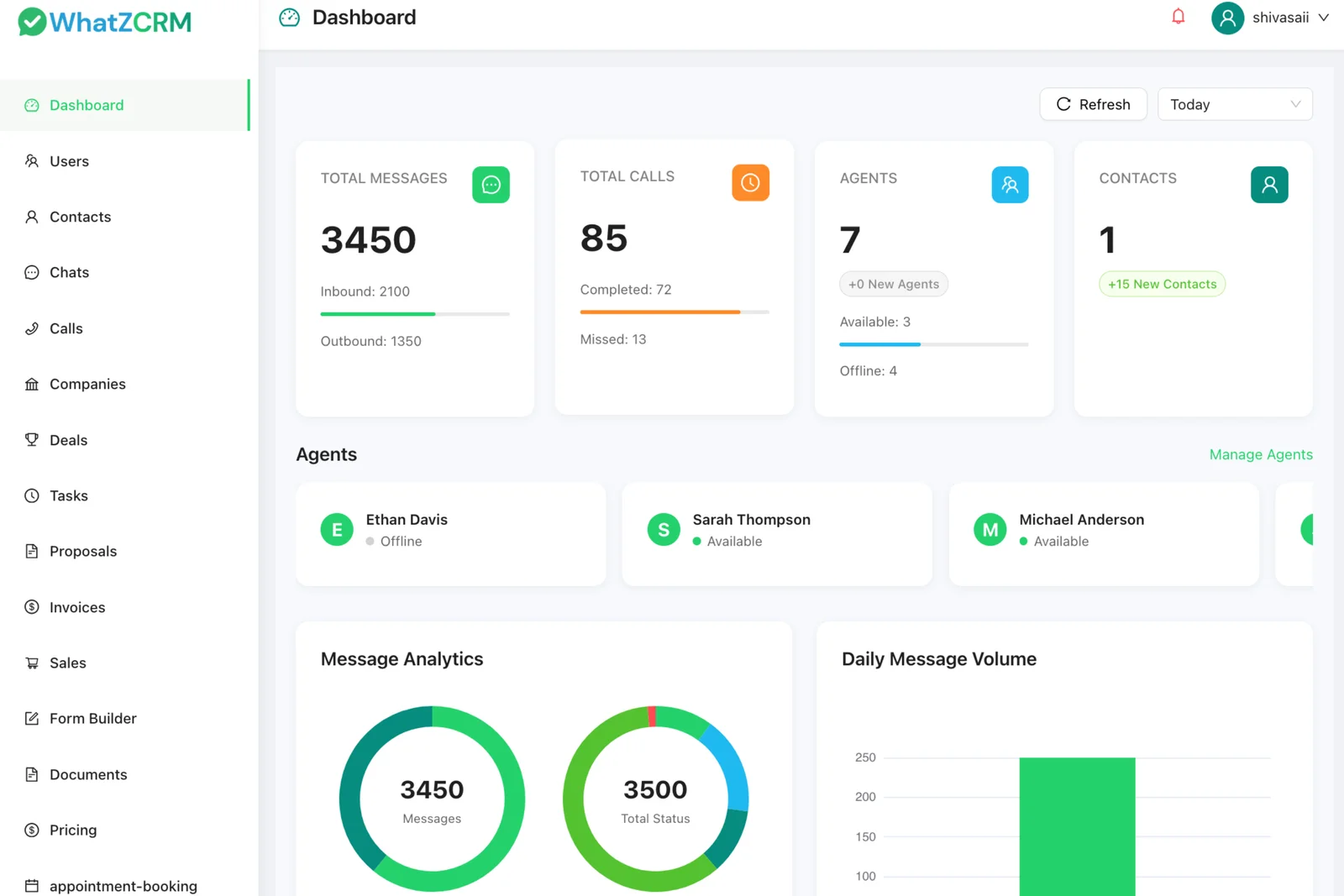
WhatsApp Live Chat vs Traditional Chat Support: Key Differences
Understanding the differences between WhatsApp Live Chat & traditional chat support helps businesses choose the right communication strategy.
|
Feature |
WhatsApp Live Chat |
Traditional Chat Support |
|
User Presence |
Always on mobile |
Only on the website |
|
Open Rate |
Very high (often above 90%) |
Low to moderate |
|
Follow-ups |
Easy and effective |
Limited |
|
Automation |
Advanced chatbot integration |
Basic automation |
|
Conversion Rate |
High |
Moderate |
|
Engagement |
Ongoing conversations |
Session-based |
When comparing WhatsApp to live chat, WhatsApp clearly stands out for maintaining long-term customer relationships rather than just handling one-time queries.
Why Businesses Are Switching to WhatsApp
The shift toward messaging apps is not accidental. Businesses are prioritizing speed, personalization, and accessibility.
Continuous Engagement
Unlike traditional chat systems, WhatsApp allows businesses to continue conversations even after users leave the website. This creates more opportunities to convert leads.
Automation That Works 24/7
With AI-powered tools, AI chat automation never sleeps. Businesses can respond instantly to customer queries, qualify leads, and even close sales without human intervention.
This is where WhatsApp Automation vs. Traditional Apps becomes a major differentiator. Traditional systems often rely heavily on manual support, while WhatsApp enables scalable automation.
WhatsApp Chatbots vs Traditional Support
Automation is one of WhatsApp’s biggest advantages.
WhatsApp chatbots vs traditional support shows a clear gap in efficiency. Chatbots can handle multiple queries simultaneously, provide instant replies, and significantly reduce response time.
In fact, chatbots provide security in automating customer support by ensuring consistent responses, reducing human error, and maintaining structured communication workflows.
Traditional support systems, on the other hand, are limited by agent availability and working hours.
Also Read: How to Choose the Best WhatsApp Marketing Software for Business Growth
How Does WhatsApp Business API Compare to Traditional Customer Support Channels?
The WhatsApp Business API, compared to traditional customer support channels, reveals a major shift in how businesses communicate.
With WhatsApp API, businesses can:
- Automate conversations
- Integrate CRM systems
- Send personalized notifications
- Scale customer support effortlessly
Traditional channels like email and live chat lack this level of integration and responsiveness.
Also Read: Top WhatsApp API Trends 2026: Future of Innovation for Brands
Challenges of Each Platform
While WhatsApp has clear advantages, both systems come with limitations.
WhatsApp requires proper setup, API integration, and compliance with messaging policies. Traditional chat systems, although easier to implement, struggle with engagement and scalability.
This reinforces the idea that both WhatsApp live chat and traditional chat support systems have unique advantages and challenges, and that their effectiveness depends on business goals.
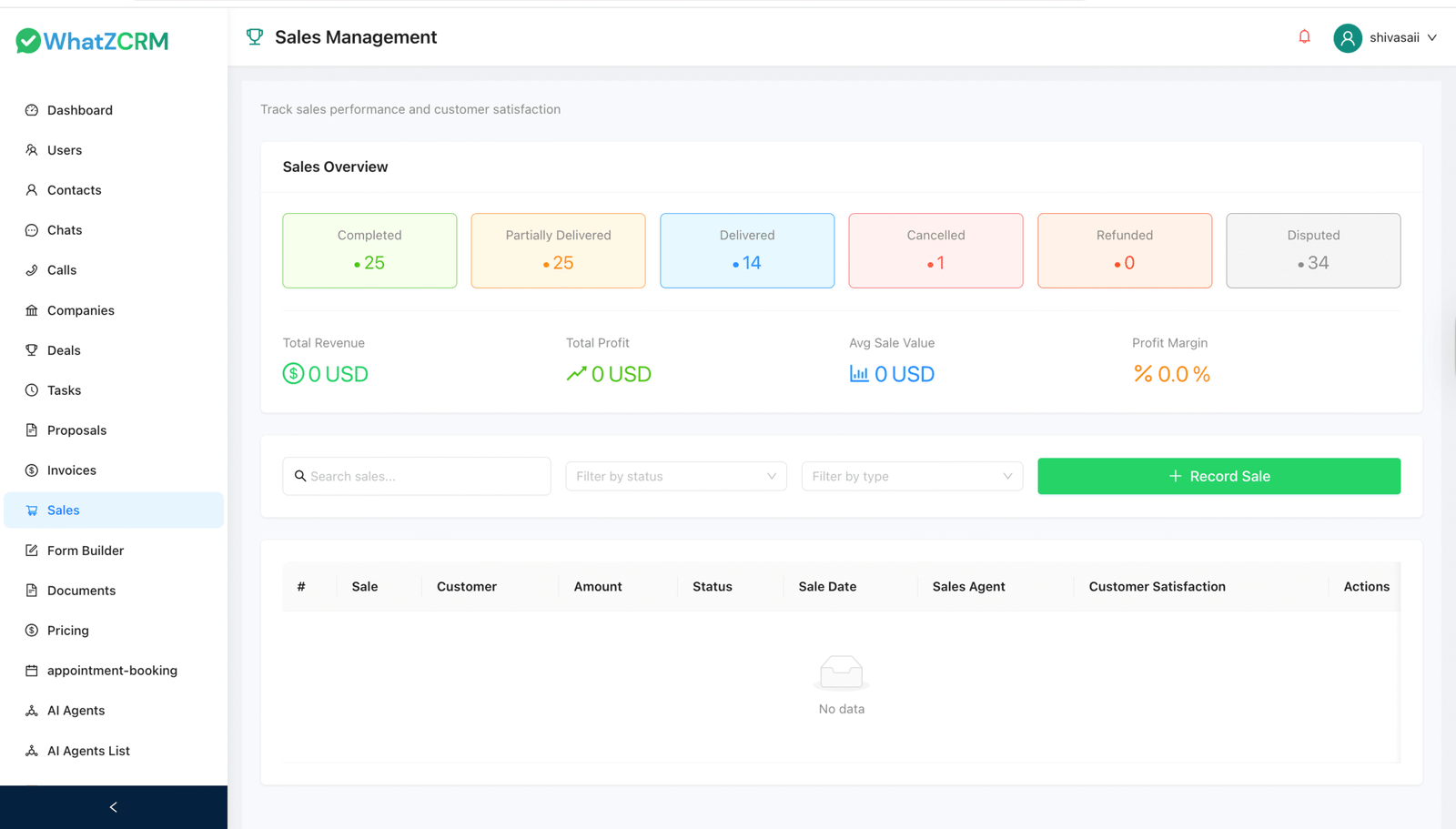
The Future of Customer Communication
The debate between WhatsApp Live Chat and Traditional Chat Support is no longer even.
WhatsApp is leading the future of customer communication by offering:
- Higher engagement
- Better automation
- Stronger conversions
- Continuous communication
Traditional chat systems are gradually becoming secondary tools rather than primary communication channels.
Why WhatsApp Live Chatbot Works Better with a CRM?
While WhatsApp Live Chatbot is powerful, it becomes significantly more effective when combined with a WhatsApp CRM.
A WhatsApp CRM allows businesses to:
- Manage all WhatsApp chats in one dashboard
- Assign conversations to multiple agents
- Track customer history and interactions
- Automate replies and follow-ups
- Measure response time and agent performance
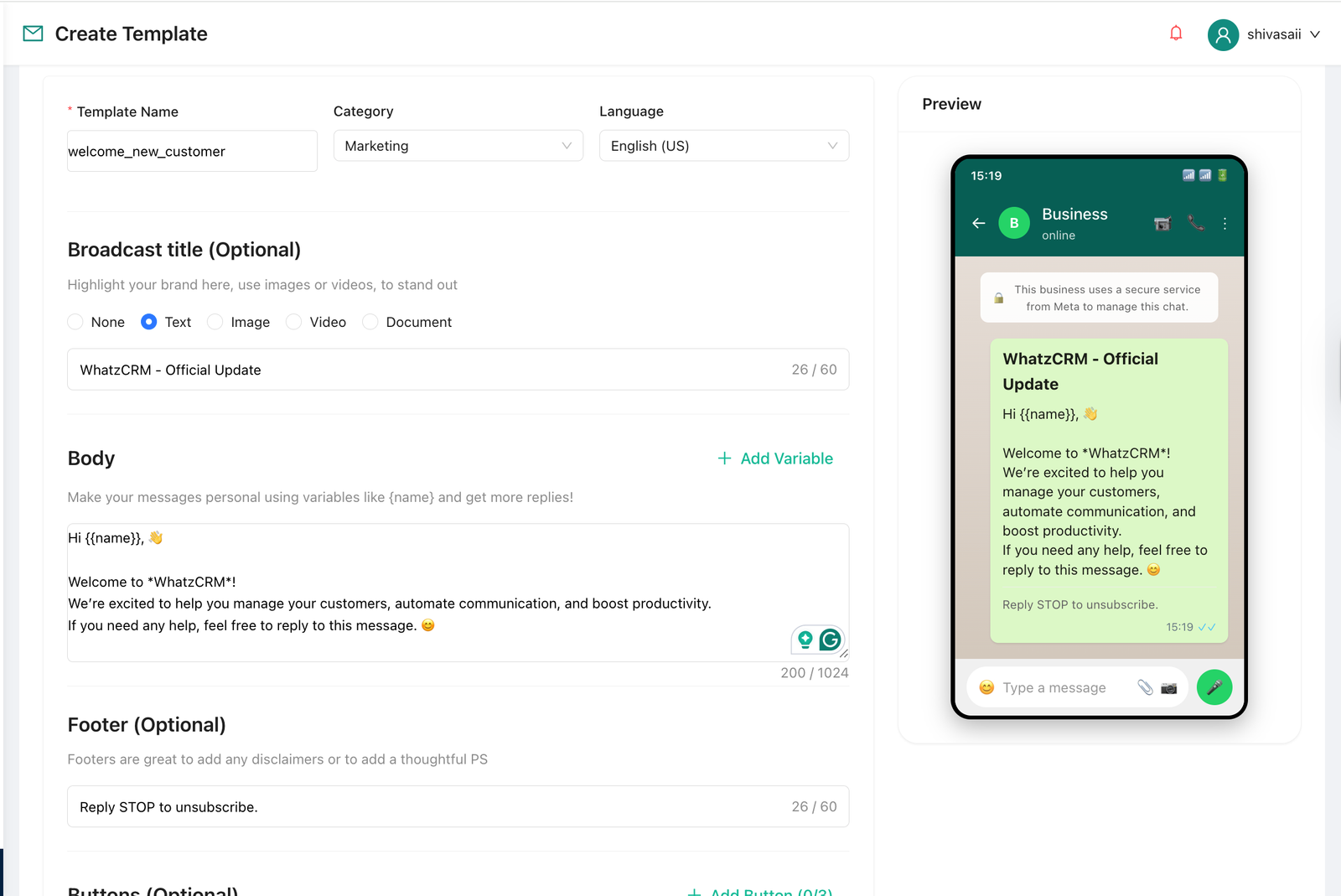
Platforms like WhatZCRM help businesses turn WhatsApp Live Chatbots into comprehensive customer communication and support systems rather than just messaging channels.
Final Words
Choosing between WhatsApp and traditional chat ultimately depends on your business goals.
If you want higher conversions, better engagement, and scalable automation, WhatsApp is the clear winner. If your focus is limited to handling website queries, traditional chat may still have a role.
With higher engagement, persistent conversations, and seamless mobile access, WhatsApp Live Chat is better suited for today’s customer expectations, especially when integrated with a WhatsApp CRM like WhatZCRM.