
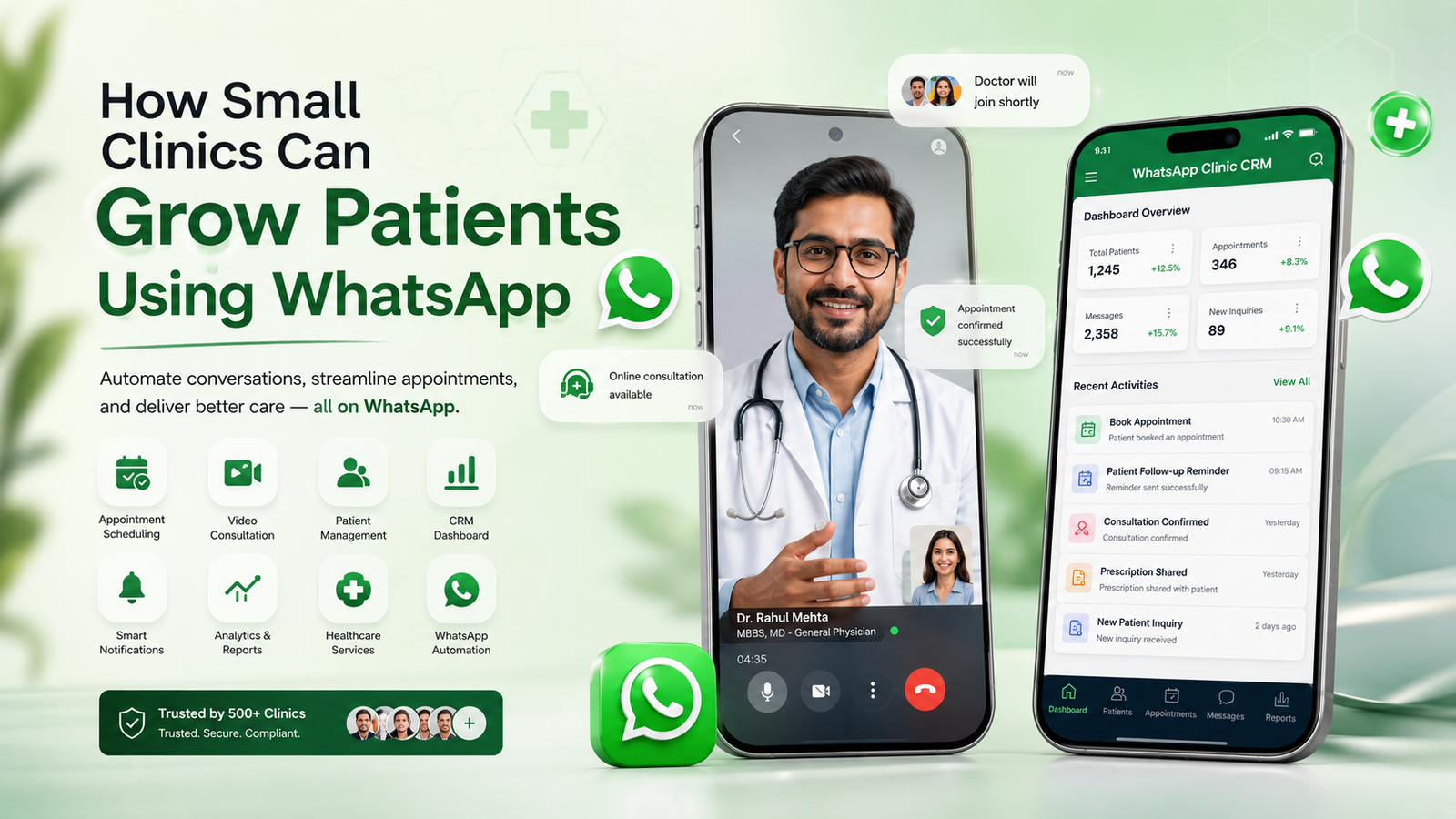

Running a small clinic means competing not just on medical expertise, but on communication speed, digital convenience, and patient experience. Patients today expect the same responsiveness from their doctor’s office that they get from their food delivery app.
This is where WhatsApp marketing for healthcare is transforming patient communication. Here’s a reality check: WhatsApp messages achieve a 98% open rate, compared to just 20% for email and 30% for SMS. In India, 97% of smartphone users have WhatsApp installed and check it multiple times a day.
For small clinics struggling with missed appointments, unanswered calls, and low patient retention, WhatsApp is not just a messaging app. It is the most cost-effective, high-engagement communication channel available today.
This guide explains exactly how small clinics can use WhatsApp marketing strategically, from automating bookings to deploying AI chatbots, and how a purpose-built platform like WhatZCRM makes this possible without technical skills or a large budget.
How Important is WhatsApp for Small Clinics?
Traditional communication methods like phone calls, SMS, and emails are becoming less effective for patient engagement. Patients frequently ignore emails, miss calls, or avoid waiting on hold for a response from the clinic.
WhatsApp offers several advantages for healthcare communication:
- Instant messaging and faster patient responses
- Easy appointment scheduling
- Personalized patient engagement
- Secure document sharing
- Automated reminders and follow-ups
- AI chatbot support
- Cost-effective marketing communication
- Better patient convenience
WhatsApp messages also achieve significantly higher open rates than email marketing, making them an ideal communication channel for healthcare providers.
Also Read: 10 Benefits of Using WhatsApp CRM in Healthcare Organizations
How Can Small Clinics Improve Patient Communication Using WhatsApp?
One of the biggest advantages of WhatsApp for small clinics is instant communication. Patients often prefer messaging over phone calls because it is more convenient, less time-consuming, and easier to access. Traditional communication methods often involve long wait times, missed calls, or delayed email responses, which can frustrate patients and negatively affect the clinic experience.
WhatsApp allows clinics to respond to inquiries in real time. Patients can quickly ask questions about doctor availability, consultation timings, pricing, treatments, or appointment scheduling without needing to call reception staff. Faster communication improves patient trust and increases the likelihood of converting inquiries into appointments.
Small clinics can also centralize communication using WhatsApp CRM systems and shared inbox solutions. Instead of managing multiple communication channels separately, clinics can organize all patient conversations in one place. This improves staff coordination and reduces missed inquiries.
How Can WhatsApp Reduce Missed Appointments?
Missed appointments can significantly affect the revenue and operational efficiency of small clinics. Manual appointment management often consumes valuable staff time while increasing the chances of scheduling errors and patient no-shows.
WhatsApp automation helps clinics simplify the entire appointment process. Clinics can allow patients to book consultations directly through WhatsApp using automated workflows and AI chatbots. Patients can choose available time slots, receive instant confirmations, and reschedule appointments without requiring manual staff intervention.
Automated reminders are especially important for reducing missed appointments. WhatsApp reminders sent a day or a few hours before consultations help patients remember their schedules and respond quickly if changes are needed. Studies and industry reports indicate that automated WhatsApp reminders can significantly reduce no-show rates for clinics and healthcare businesses.
Also Read: A Complete Guide to WhatsApp Appointment Booking for Businesses
How Can Small Clinics Use WhatsApp for Healthcare Marketing?
Small clinics usually rely heavily on local patients. WhatsApp can be an extremely effective local marketing tool because it allows clinics to reach nearby communities directly through personalized campaigns and referrals.
Clinics can use WhatsApp broadcast messaging to share information about:
- new services
- health camps
- vaccination drives
- free checkup programs
- seasonal healthcare awareness campaigns
- discounts on consultations or diagnostics
Unlike traditional advertising, WhatsApp campaigns feel more personal and conversational, which often leads to higher engagement rates.
Local referral marketing also becomes easier through WhatsApp. Satisfied patients can quickly share clinic contact details, location information, or promotional messages with family and friends. Word-of-mouth marketing through WhatsApp can significantly improve patient acquisition for small healthcare businesses.
How Does WhatsApp Improve Customer Support for Clinics?
Patients expect quick support and communication from healthcare providers. Small clinics often struggle to handle large volumes of inquiries manually. WhatsApp CRM systems improve support by offering:
- Shared team inboxes
- Faster response management
- Automated replies
- Internal staff collaboration
- Centralized patient conversations
- Follow-up tracking
Many businesses using WhatsApp CRMs report major improvements in communication, organization, and follow-up efficiency.
Sharing Reports and Healthcare Information Easily
Many clinics still rely on physical document collection or email to share medical reports and prescriptions. This process can be inconvenient for both patients and clinic staff.
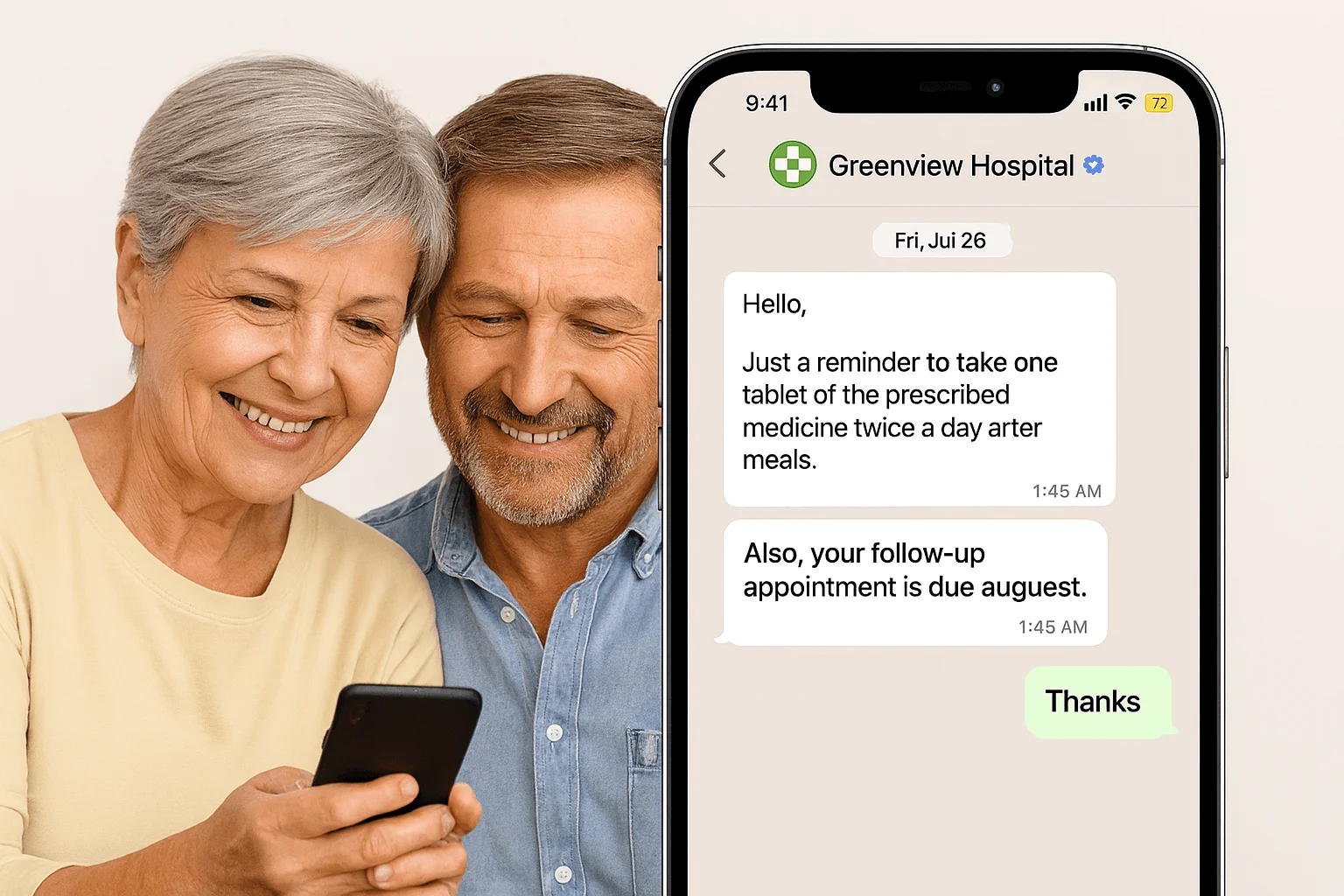
WhatsApp simplifies document sharing by allowing clinics to send prescriptions, invoices, lab reports, treatment instructions, and consultation summaries instantly through mobile messaging. Patients can access documents quickly without needing additional clinic visits.
This improves convenience while reducing administrative workload for small healthcare practices.
Clinics can also use WhatsApp to share educational videos, healthcare tips, diet plans, exercise recommendations, and treatment guidelines, helping patients stay informed and engaged.
What Role Do AI Chatbots Play in Healthcare Communication?
One major challenge for small clinics is limited staff availability outside working hours. Patients may still need information or support in the evenings, on weekends, or during holidays.
AI-powered WhatsApp chatbots for clinics provide 24/7 assistance without requiring full-time staff availability. Chatbots can answer common questions related to:
- doctor schedules
- appointment booking
- clinic timings
- consultation fees
- available services
- location directions
Automation ensures patients receive immediate responses even when staff members are unavailable. Many businesses are increasingly adopting AI chatbots to improve the efficiency and scalability of customer communication.
Also Read: How WhatsApp Chatbots Can Improve Healthcare Communication?
Increasing Patient Retention Through Follow-Ups
Patient retention is just as important as patient acquisition. Clinics that maintain long-term relationships with patients often achieve more stable growth and recurring revenue.
WhatsApp follow-up campaigns help clinics stay connected with patients after consultations. Clinics can automate follow-up reminders for:
- repeat consultations
- medication schedules
- preventive checkups
- chronic disease monitoring
- therapy sessions
- vaccination renewals
Regular engagement encourages patients to return for future healthcare needs and strengthens loyalty toward the clinic.
Small clinics can also request feedback and reviews through WhatsApp, helping improve online reputation and patient trust.
Why Is WhatsApp Marketing Cost-Effective for Small Clinics?
One of the biggest advantages of WhatsApp marketing for clinics is affordability. Small clinics often operate with limited marketing budgets and cannot spend heavily on large advertising campaigns.
WhatsApp marketing provides a highly cost-effective communication and promotional channel. Clinics can automate messaging, support, reminders, and campaigns without investing heavily in expensive software or large marketing teams.
Compared to traditional advertising channels, WhatsApp offers significantly better engagement and communication efficiency at lower costs. This makes it especially valuable for growing clinics and healthcare startups.
Building Long-Term Patient Relationships
Healthcare is highly relationship-driven. Patients are more likely to revisit clinics where they feel valued, supported, and connected.
WhatsApp helps clinics maintain consistent and personalized communication with patients over time. Personalized greetings, wellness reminders, healthcare updates, and follow-up messages help clinics strengthen patient relationships and improve loyalty.
Patients often prefer clinics that provide easy access to communication and proactive support. Consistent engagement through WhatsApp can significantly improve patient satisfaction and long-term retention.
Every Patient Conversation in One Searchable Platform
Small clinics often struggle with scattered communication; some patients message on WhatsApp, some call, some walk in. Staff ends up with no unified view of a patient’s history.
WhatZCRM’s centralized CRM solves this by automatically logging every WhatsApp conversation, appointment, document shared, and campaign sent against a patient’s profile. Clinic staff can search by patient name, tag, date, or conversation outcome.
This means:
- A new staff member can immediately see a patient’s full history
- Doctors have context before the consultation begins
- No patient inquiry is ever lost or duplicated
- Audit readiness is built in for compliance purposes
Multiple agents, receptionists, nurses, billing staff, and doctors can manage patient conversations simultaneously from a shared team inbox, with internal notes and smart routing to ensure the right person handles each query.
Also Read: How WhatsApp Team Inbox Works and Is Better for Customer Conversations?
Getting Started with WhatZCRM for Healthcare Growth
Many small clinic owners delay adopting WhatsApp CRM because they assume it requires technical expertise or a large upfront investment. WhatZCRM is specifically designed to remove both barriers.
How WhatZCRM Onboards a Clinic
- Connect your WhatsApp Business API number: WhatZCRM is an official Meta Business Partner
- Build your chatbot: using the no-code drag-and-drop visual builder
- Integrate your calendar and EMR: sync with Practo, Google Calendar, or your existing system
- Train your team: the shared inbox is intuitive; no technical skills required
- Launch your first campaign: use pre-approved healthcare templates immediately
Most clinics are fully operational within days, not weeks.
Final Thoughts
Patient expectations are not going back. Digital convenience, instant communication, and personalized healthcare engagement are no longer premium features; they are baseline expectations.
Small clinics that adopt WhatsApp marketing for clinics through a platform like WhatZCRM gain a significant structural advantage: they can respond faster, automate the repetitive, engage patients proactively, and measure results all without hiring more staff or increasing their marketing budget.
The clinics still relying on phone calls, manual reminders, and paper reports are losing patients every week to competitors who have already made this shift.
WhatsApp is already on your patients’ phones. The only question is whether your clinic is using it effectively.