
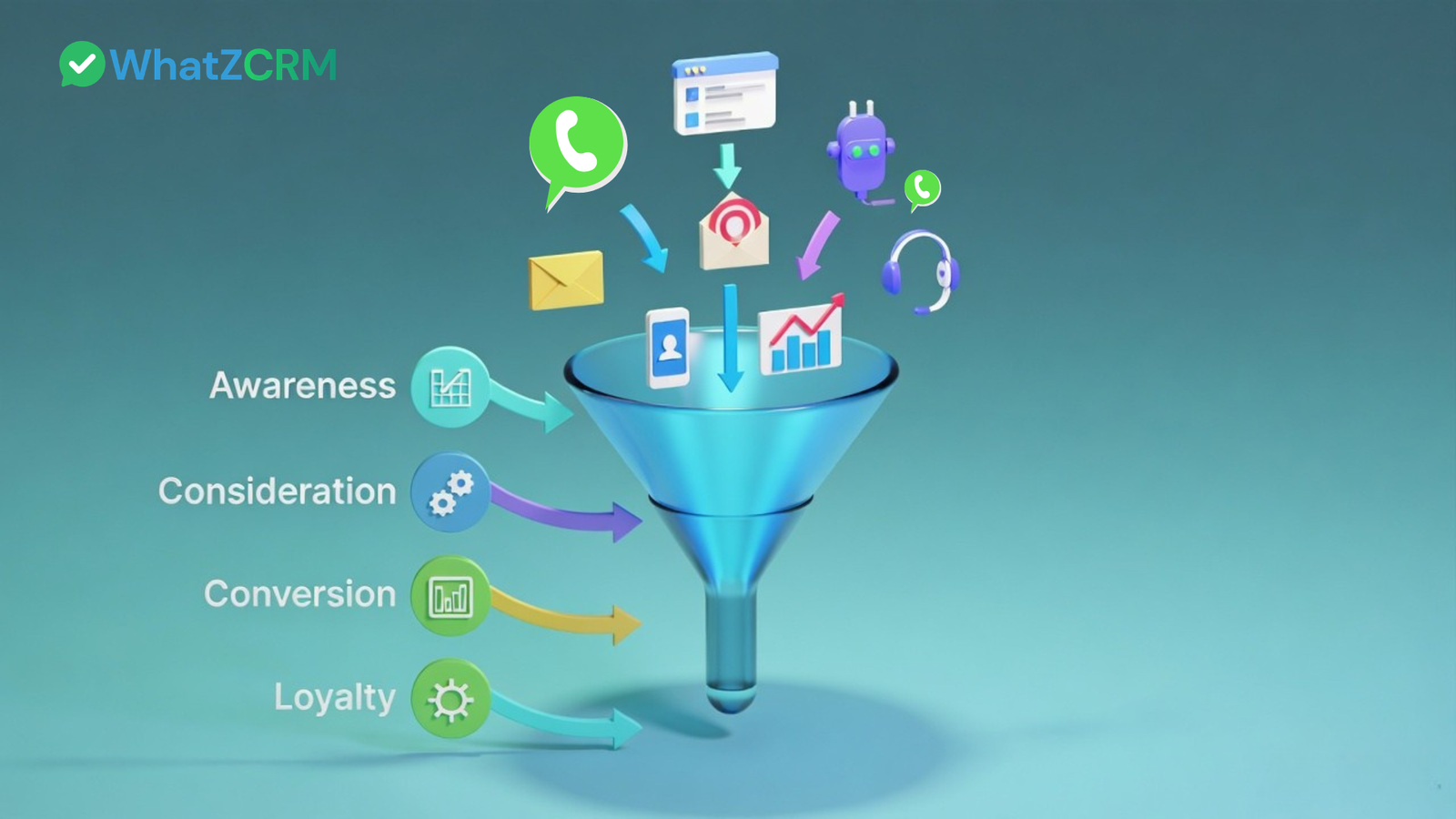

Today’s customers prefer quick and convenient communication. Instead of filling out long forms or waiting for email replies, most people simply send a message on WhatsApp when they want information about a product or service.
For businesses, this shift has created a new opportunity to manage leads and sales directly through messaging. Many companies now use WhatsApp marketing software to communicate with customers instantly.
But simply receiving messages on WhatsApp is not enough. Without a clear process, conversations can easily get lost, and potential customers may never convert.
This is where a WhatsApp sales funnel becomes important. A well-structured funnel helps businesses attract potential customers, guide them through the sales process, and convert them into paying customers. In this guide, we’ll explain how businesses can build an effective WhatsApp sales funnel step by step.
What Do We Know About WhatsApp Sales Funnel?
A WhatsApp sales funnel is a structured process that guides potential customers from their first interaction with your business on WhatsApp to the final purchase.
Instead of random conversations, every interaction becomes part of a journey. A customer may first click a WhatsApp ad, ask questions about a product, receive helpful information, and eventually decide to buy.
Most businesses build their funnel using tools that support the WhatsApp Business API. This allows companies to automate messages, organize leads, and manage conversations at scale.
Why Businesses Should Use a WhatsApp Sales Funnel?
Many businesses already receive customer inquiries through WhatsApp. However, without a system in place, it becomes difficult to track leads or maintain consistent communication. Using a WhatsApp sales funnel offers several advantages.
First, it allows businesses to respond quickly to potential customers. Faster responses often lead to higher chances of conversion.
Second, it helps organize leads efficiently. Businesses can categorize inquiries based on interest level, product type, or stage in the buying process.
Third, it creates a personalized communication experience. Instead of sending generic responses, businesses can tailor messages based on customer needs.
Many companies today rely on WhatsApp automation tools to streamline these conversations and reduce manual work.
Most importantly, a structured funnel helps businesses move customers smoothly from initial interest to final purchase.
Also Read: Top 5 WhatsApp Automation Tools: Features, Benefits & Comparison
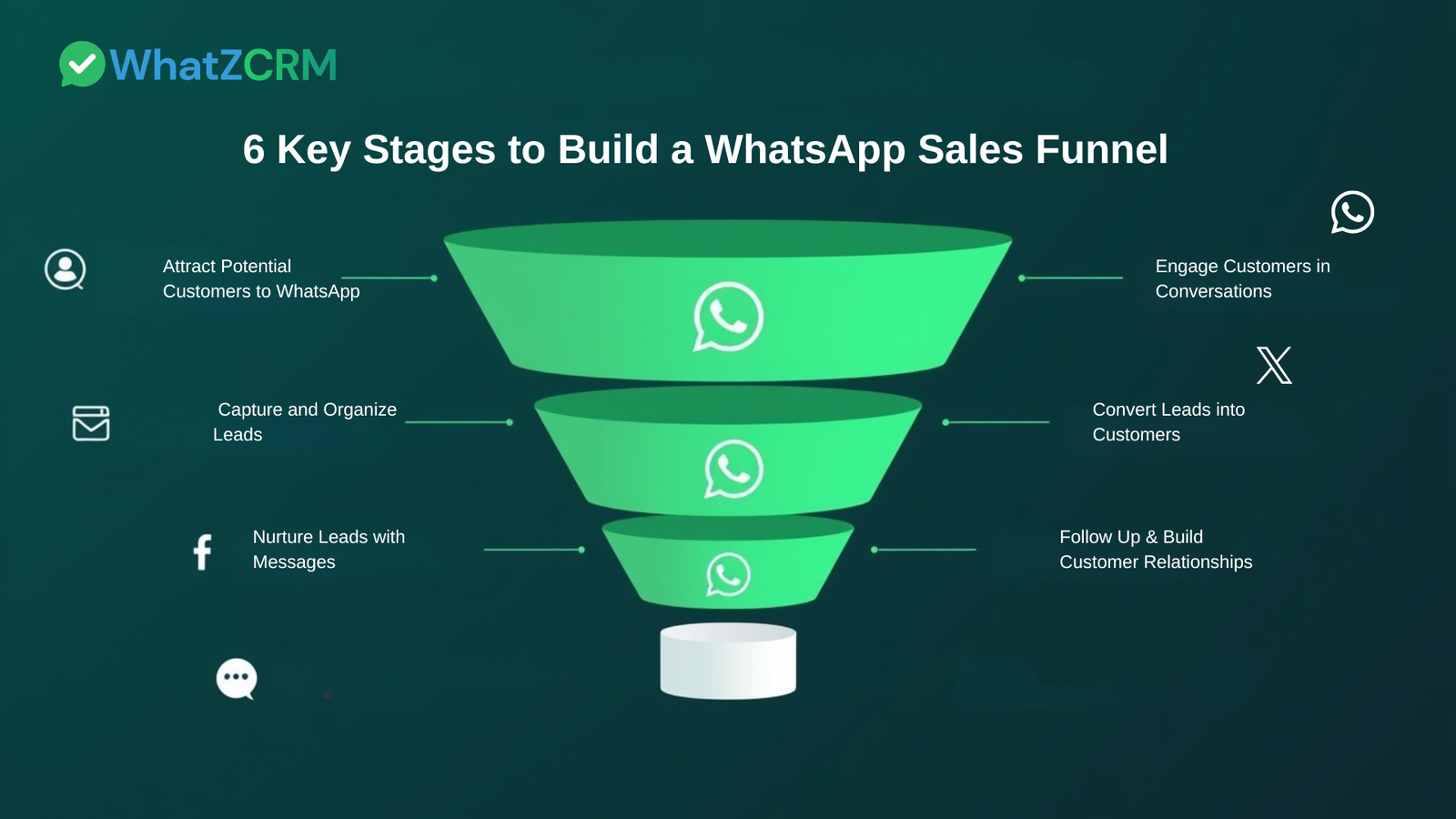
6 Key Stages to Build a WhatsApp Sales Funnel
A typical WhatsApp sales funnel consists of several stages that guide customers through the buying journey.
It starts by attracting potential customers and initiating conversations. Then the business captures their details and organizes the leads. The next stage focuses on nurturing the relationship through helpful and relevant communication.
After that, businesses engage customers in deeper conversations about their needs and the product’s benefits. Once the customer feels confident, the funnel moves toward conversion. Finally, follow-ups help maintain long-term relationships and encourage repeat purchases.
Many organizations manage these stages using WhatsApp marketing software that integrates messaging with lead management tools.
Step 1: Attract Potential Customers to WhatsApp
The first step in building a WhatsApp sales funnel is bringing potential customers into the conversation.
Businesses can encourage users to start a WhatsApp chat through different channels. For example, websites can include a “Chat on WhatsApp” button that instantly connects visitors with the sales team.
Social media platforms like Instagram and Facebook can also direct users to WhatsApp through click-to-chat links. Some businesses run ads that open WhatsApp conversations directly when someone clicks on them.
Another effective approach is adding WhatsApp contact links to email campaigns, landing pages, and product pages. The easier it is for customers to start a conversation, the more leads your business can generate.
Step 2: Capture and Organize Leads Effectively
Once a potential customer sends a message, the next step is to capture their information and organize it properly.
Instead of handling chats manually, businesses should store lead details such as name, contact number, product interest, and inquiry type. This information helps the sales team better understand each lead.
Many businesses use a WhatsApp marketing platform or CRM system to automatically capture these details and organize them in one place.
Organizing leads also makes it easier to prioritize serious buyers and follow up with them at the right time. Without proper organization, valuable leads may get buried among dozens of other messages.
Step 3: Nurture Leads with Automated and Personalized Messages
Not every customer is ready to buy immediately. Many people need time to understand the product, compare options, or ask additional questions.
Lead nurturing helps maintain communication during this decision-making period.
Businesses can send useful information such as product details, pricing, customer testimonials, or demo videos. These messages help build trust and provide clarity about the offering.
Using WhatsApp automation, companies can schedule follow-up messages automatically. For example, if a lead requests product information but does not respond further, a gentle reminder can be sent after a few hours or days.
The key is to keep the conversation helpful and relevant without overwhelming the customer.
Step 4: Engage Customers with Valuable Conversations
Engagement is where meaningful conversations happen. At this stage, the goal is to understand the customer’s needs and explain how your product or service can help solve their problem.
Sales representatives can ask questions to identify requirements and recommend suitable solutions. Customers often appreciate it when businesses take the time to understand their specific needs instead of pushing immediate sales.
Some companies also use WhatsApp message software to share product catalogs, videos, or brochures during conversations.
When conversations feel helpful and authentic, customers are more likely to move forward with a purchase.
Also Read: Top 9 Bulk WhatsApp Sender Platforms for Business Growth
Step 5: Convert Leads into Customers
After building trust and addressing the customer’s questions, the next step is conversion.
This stage usually involves guiding the customer toward the final purchase decision. Businesses may share payment links, booking options, or order confirmation details.
Many organizations use WhatsApp Business API providers to manage these transactions securely and efficiently.
Providing clear instructions makes the buying process simple and convenient for the customer. If the purchase process is complicated or slow, potential buyers may lose interest.
Also Read: The Complete WhatsApp Business API Guide for Scalable Growth
Step 6: Follow Up and Build Long-Term Customer Relationships
The sales funnel should not end once a purchase is completed. Following up with customers is important for maintaining long-term relationships.
Businesses can send order updates, support messages, or helpful tips related to the product. Regular follow-ups also create opportunities for repeat purchases and referrals.
Many brands use bulk WhatsApp software to send important updates, offers, and announcements to their customer base.
Satisfied customers often become loyal brand advocates who recommend your business to others. Maintaining communication through WhatsApp helps businesses stay connected with customers even after the initial sale.
Also Read: How to Choose the Best WhatsApp Marketing Software for Business Growth
Best Practices for Building an Effective WhatsApp Sales Funnel
To make a WhatsApp sales funnel successful, businesses should focus on a few important practices.
First, responses should be quick and helpful. Long delays in replying to inquiries can cause potential customers to lose interest.
Second, communication should remain clear and personalized. Customers appreciate messages that address their specific questions rather than generic responses.
Third, businesses should track and analyze conversation data to understand customer behavior. This helps improve the sales process over time.
Finally, combining automation with human interaction works best. Automation can handle repetitive tasks, while sales teams focus on meaningful conversations.
How WhatZCRM Can Help Manage a WhatsApp Sales Funnel
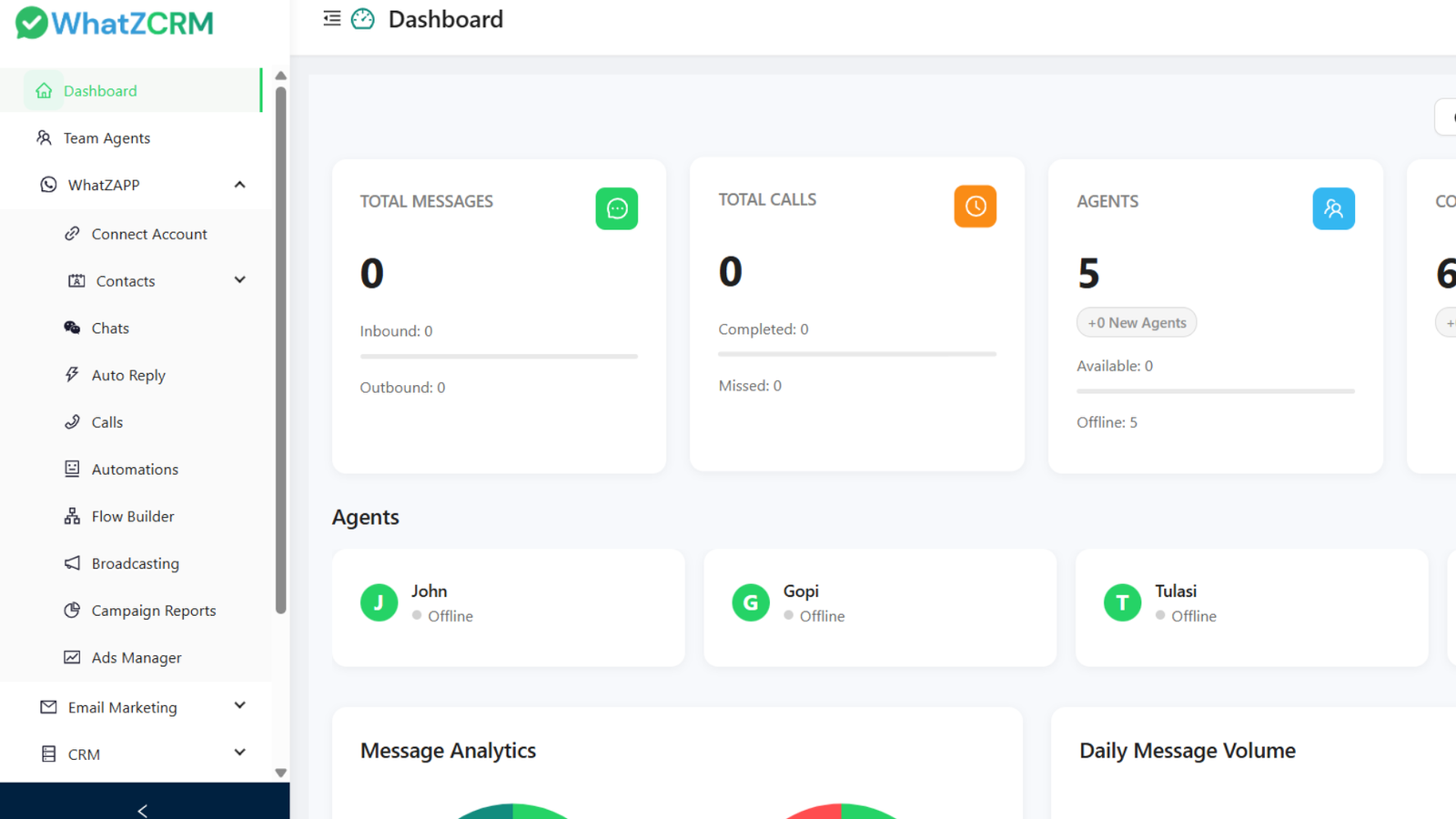
Managing hundreds of WhatsApp conversations manually can quickly become difficult for growing businesses. Important messages may get missed, and tracking leads becomes complicated.
This is where WhatZCRM becomes valuable.
WhatZCRMis a WhatsApp marketing software that helps businesses organize conversations, automate responses, and track leads in a structured CRM system.
With WhatzCRM, businesses can:
- Capture and organize leads automatically
- Use WhatsApp automation to send follow-ups
- Assign conversations to sales teams
- Track customer interactions in one dashboard
- Integrate systems using the WhatsApp integration API
By combining messaging automation with CRM capabilities, WhatZCRM allows businesses to manage their entire WhatsApp sales funnel more efficiently.
Final Thoughts
WhatsApp has become one of the most powerful communication channels for businesses. However, simply chatting with customers is not enough to generate consistent sales.
A well-planned WhatsApp sales funnel helps businesses attract leads, nurture relationships, and convert conversations into customers. By guiding prospects through each stage of the buying journey, businesses can improve both customer experience and sales results.
With the right WhatsApp marketing tools, automation, and CRM integration, WhatsApp can become more than just a messaging platform; it can become a reliable channel for building long-term customer relationships and driving business growth.