


Grow Engagement, Automate Conversations & Scale Sales with the Right Platform
In 2026, WhatsApp remains one of the most powerful business communication channels, enabling brands to interact with customers through conversations, automation, reminders, and support workflows all within a channel users already trust and use daily. But to unlock the full potential of WhatsApp for sales and support growth, businesses need a robust.
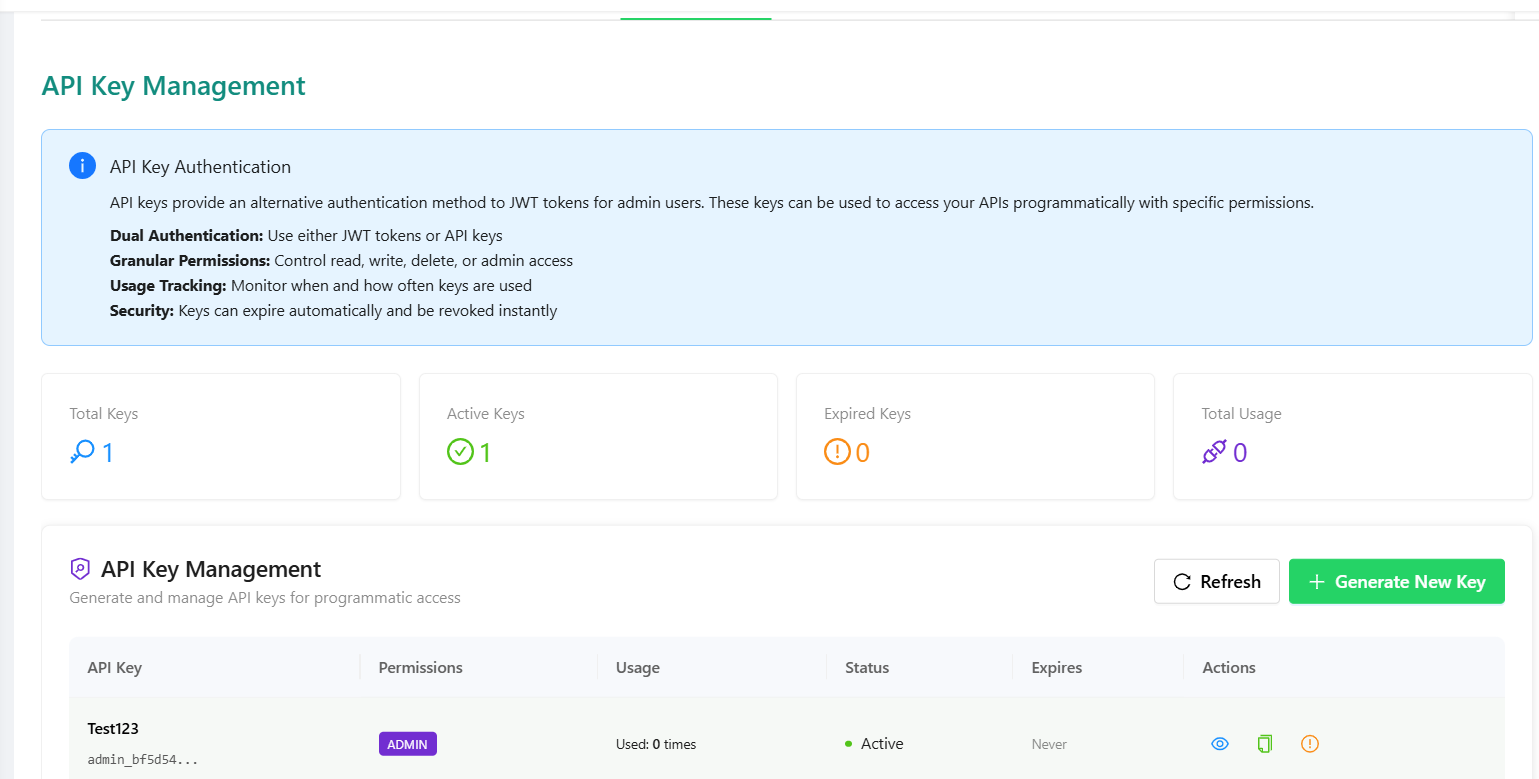
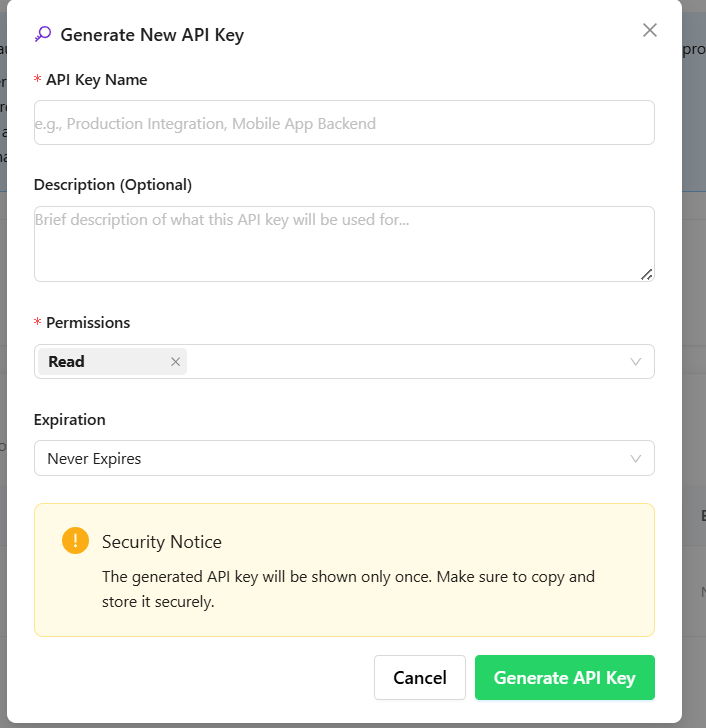
However, accessing and managing the API requires a reliable WhatsApp API service providers.
Also Read: The Complete Business Guide for Scalable Growth with WhatsApp Business API
What Do We Know About the WhatsApp API Service Provider?
The WhatsApp Business API is a scalable way for businesses to send and receive messages on WhatsApp, with features including automation, multi-agent support, CRM integration, analytics, and more. But because Meta doesn’t provide a direct UI for many business features, companies rely on WhatsApp API service providers to gain access and use the API effectively.
These providers connect your business to Meta’s Cloud API, add automation features, and help you manage conversations, bots, templates, and campaign messages without heavy custom coding.
Why Your Business Needs a WhatsApp API Provider in 2026
Whether you’re a startup, SME, or enterprise, the API makes WhatsApp valuable for:
✔ Multi-agent shared inbox and team collaboration
✔ Automated chatbots and workflows
✔ CRM and marketing automation integration
✔ Bulk notifications and campaign messaging
✔ Lead capture from Meta ad channels
✔ Analytics and performance dashboards
Without a WhatsApp API provider, businesses are limited by the basic WhatsApp Business App’s capabilities, which don’t support automation at scale or team-based workflows.
Core Features to Look for in a WhatsApp API Provider
Before evaluating vendors, understand the critical capabilities that make a provider worth choosing:
Official API Integration: Ensure the solution is an official WhatsApp Business API partner with Meta approval.
Automation & Chatbots: Drag-and-drop flows, AI bots, and rules that help automate responses and routing.
CRM & Sales Integration: Deep sync with CRM fields, deal tracking, lead tagging, and contact management.
Multi-Agent Support: Assign chats to teams, track performance, and handle escalations seamlessly.
Broadcasting & Campaign Tools: Bulk or segment-based messaging that complies with WhatsApp policies.
Analytics & Reporting: Track open rates, response rates, conversation growth, and business outcomes.
Top WhatsApp API Providers in 2026 (Feature & Use-Case Comparison)
Below is a rundown of the most recommended providers based on features, scalability, automation, and business maturity:
| Provider | Best For | Key Strengths |
| WhatZCRM | SMBs & Mid-Market Sales Teams | WhatsApp-first CRM + automation, Email Marketing |
| AiSensy | Marketing Campaigns | No-code automation + analytics |
| Respond.io | Omni-channel Teams | Advanced automation + multi-channel support |
| WATI | Small-Medium Businesses | Easy setup + team inbox |
| PickyAssist | Scalable Automation | Integrations + chatbot ecosystem |
| Twilio | Developers & Custom Systems | API flexibility & global scale |
1. WhatZCRM
WhatZCRM uniquely combines the power of the WhatsApp API with a CRM ecosystem built for sales, support, and WhatsApp automation, not just messaging. It’s designed specifically for businesses that want to:
✔ Track leads and customer journeys directly on WhatsApp
✔ Automate workflows without losing CRM context
✔ Build drip campaigns, follow-up sequences, and task reminders
✔ Bring WhatsApp seamlessly into their sales pipeline
Unlike basic API tools, WhatZCRM’s First WhatsApp CRM tool eliminates the need for separate inbox tools or third-party integrations; everything lives in a single workspace, from lead capture to deal close.
Ideal for: Sales teams, inside sales, consultative service businesses, appointment-based models.
Also Read: Detailed Overview of Top 5 WhatsApp Automation Tools: Features, Benefits & Comparison
2. AiSensy
AiSensy is popular for businesses focused on marketing automation, broadcast messaging, and campaign insights. It offers:
✔ No-code automation builders
✔ Affordable pricing tiers
✔ Click-to-WhatsApp workflows
✔ Broadcast campaign engine
AiSensy’s strength lies in campaign management and analytics, making it a top pick for marketing teams seeking WhatsApp-centric outreach. However, it lacks the deep CRM-level pipeline management found in WhatZCRM.
3. Respond.io
If you need to integrate WhatsApp with multiple channels, such as Instagram DM, Facebook Messenger, and email, under a single interface, Respond.io shines. It provides:
✔ Omni-channel inbox
✔ AI-based automation
✔ Integrations with enterprise tech stacks
✔ Advanced analytics
Powerful, multi-user, and omni-channel setups are often more complex and costly than WhatsApp-centric CRM workflows.
4. WATI
WATI offers a straightforward WhatsApp API experience with simple automation, shared inbox, and chatbot features. It’s easy to onboard and ideal for small teams looking to get started quickly, though it may lack advanced CRM or pipeline tools.
5. PickyAssist
PickyAssist combines API access with multi-channel connectors, CRM add-ons, and automation ecosystems, making it suitable for larger businesses. It offers deep feature sets but may require more onboarding effort.
Also Read: Top 10 WhatsApp CRM Tools Compared (2026)
WhatsApp API Pricing & Cost Considerations
While Meta controls the official conversation pricing, providers differ in:
- Platform subscription fees
- Markups on messages
- Feature add-ons (CRM, analytics, automation)
Providers structure pricing differently:
- WhatZCRM offers transparent monthly plans (Starter, Growth, Pro), with features like CRM, WhatsApp automation, and team collaboration clearly bundled. Messaging charges are billed separately as per Meta rates. This makes budgeting predictable as your business scales. And providing a 7-day free trial
- AiSensy provides lower entry pricing with tiered plans. However, advanced chatbot flows and features may require upgrades or add-ons.
- WATI offers pay-per-message options and subscription plans, but automation triggers and AI features may increase costs as usage increases.
- Respond.io follows a more premium model, suitable for omnichannel and enterprise setups.
Ways to Choose the Right WhatsApp API Provider
Here’s a quick match guide:
🔹 Marketing & Campaign Outreach: Look at WhatZCRM broadcast flows
🔹 Sales & Pipeline-Driven Teams: WhatZCRM excels with CRM built-in tools
🔹 Multi-Channel Support: Choose Respond.io
🔹 Budget & Easy Setup: WATI or basic tier plans
Remember: the best platform isn’t always the most expensive, it’s the one that fits your workflows, support needs, and business scale.
Also Read: How WhatsApp API Integration Works & Why Your Business Needs It
To Sumup
While there are many excellent WhatsApp API service providers in 2026, WhatZCRM stands apart because it is not just an API provider; it integrates WhatsApp messaging deeply into your sales and support CRM workflows, helping you:
➡ Capture leads directly from WhatsApp
➡ Nurture prospects with automated task sequences
➡ Collaborate across teams with shared dashboards
➡ Measure ROI with pipeline insights
For businesses that need both communication power and sales intelligence, WhatZCRM is one of the best WhatsApp API-powered solutions available today.