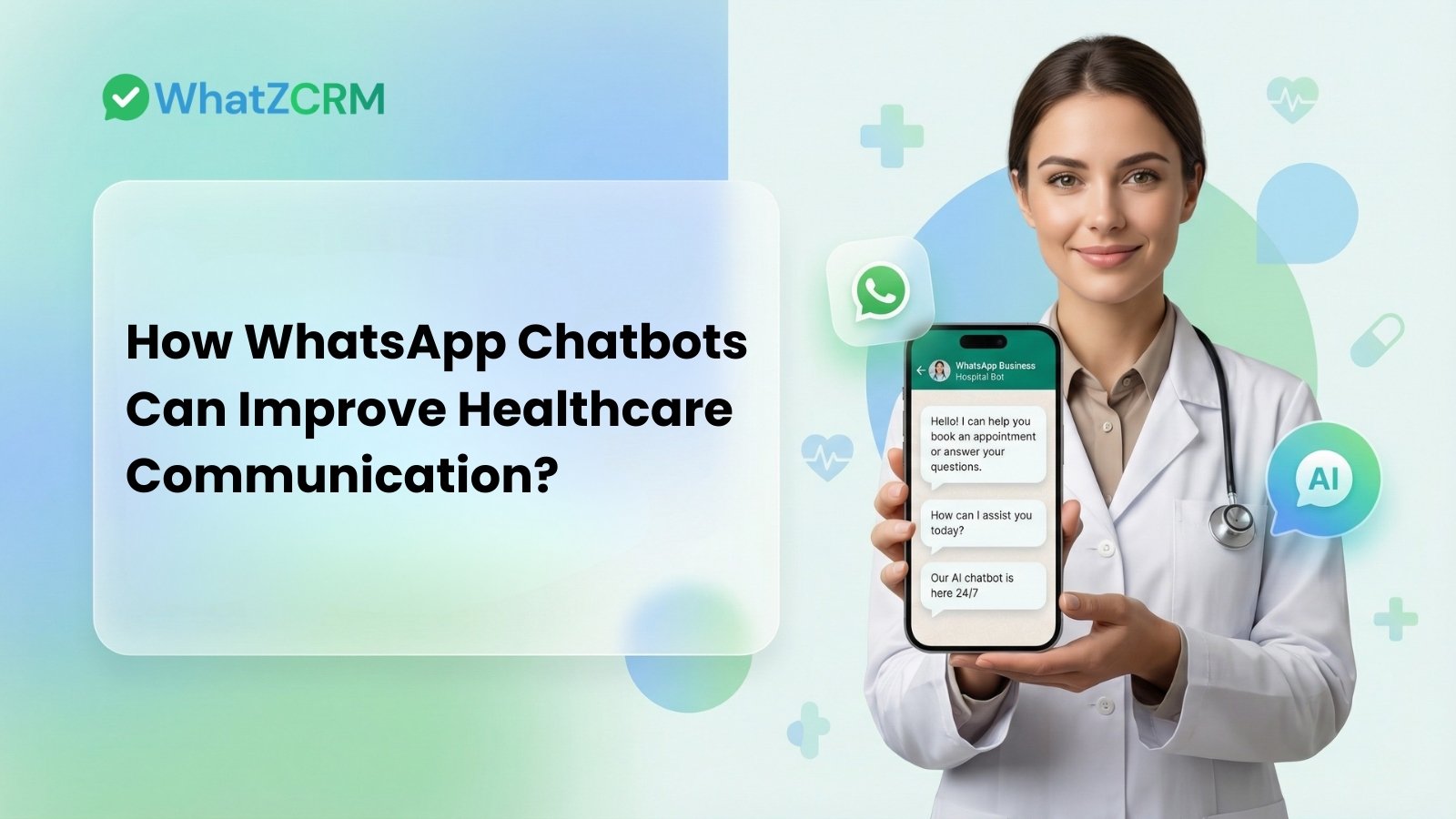

Hospitals are increasingly adopting digital tools to enhance patient care and streamline operations. Among these, WhatsApp chatbots for healthcare have emerged as a practical solution. By automating routine tasks, managing appointments, and enabling secure communication, these chatbots help hospitals improve both operational efficiency and patient experience.
This article explores the WhatsApp chatbots for hospitals, highlighting their features, benefits, and real-world use cases. The purpose of WhatsApp chatbots is to help hospitals, clinics, and healthcare facilities select the best AI chatbot for patient engagement.
Why WhatsApp is a Leading Channel for Hospitals?
With over 3 billion users worldwide, WhatsApp is a platform patients already trust. Hospitals that leverage WhatsApp chatbots in healthcare can provide secure, accessible, and HIPAA-compliant communication.
By integrating a WhatsApp AI chatbot for hospitals, medical facilities can automate:
- Appointment bookings and reminders
- Follow-up notifications
- Prescription refill alerts
- Patient inquiries
This seamless automation improves communication while reducing the administrative burden on hospital staff.
Also Read: WhatsApp CRM for Hospitals: Faster Patient Communication
What is a WhatsApp Chatbot for Hospitals?
A WhatsApp chatbot for healthcare is an AI-powered assistant that interacts with patients in real time. Key functions include:
- Appointment scheduling
- Patient inquiries
- Follow-up notifications
Using NLP and machine learning, these chatbots can accurately answer patients’ questions while handling multiple conversations simultaneously. This reduces human error and improves efficiency in hospital workflows.
Key Features of WhatsApp Chatbots for Hospitals
Appointment Scheduling & Reminders
A WhatsApp-based hospital appointment-booking system allows patients to book appointments directly via WhatsApp. Automated reminders help reduce missed appointments and improve hospital workflow efficiency.
Patient Inquiry Automation
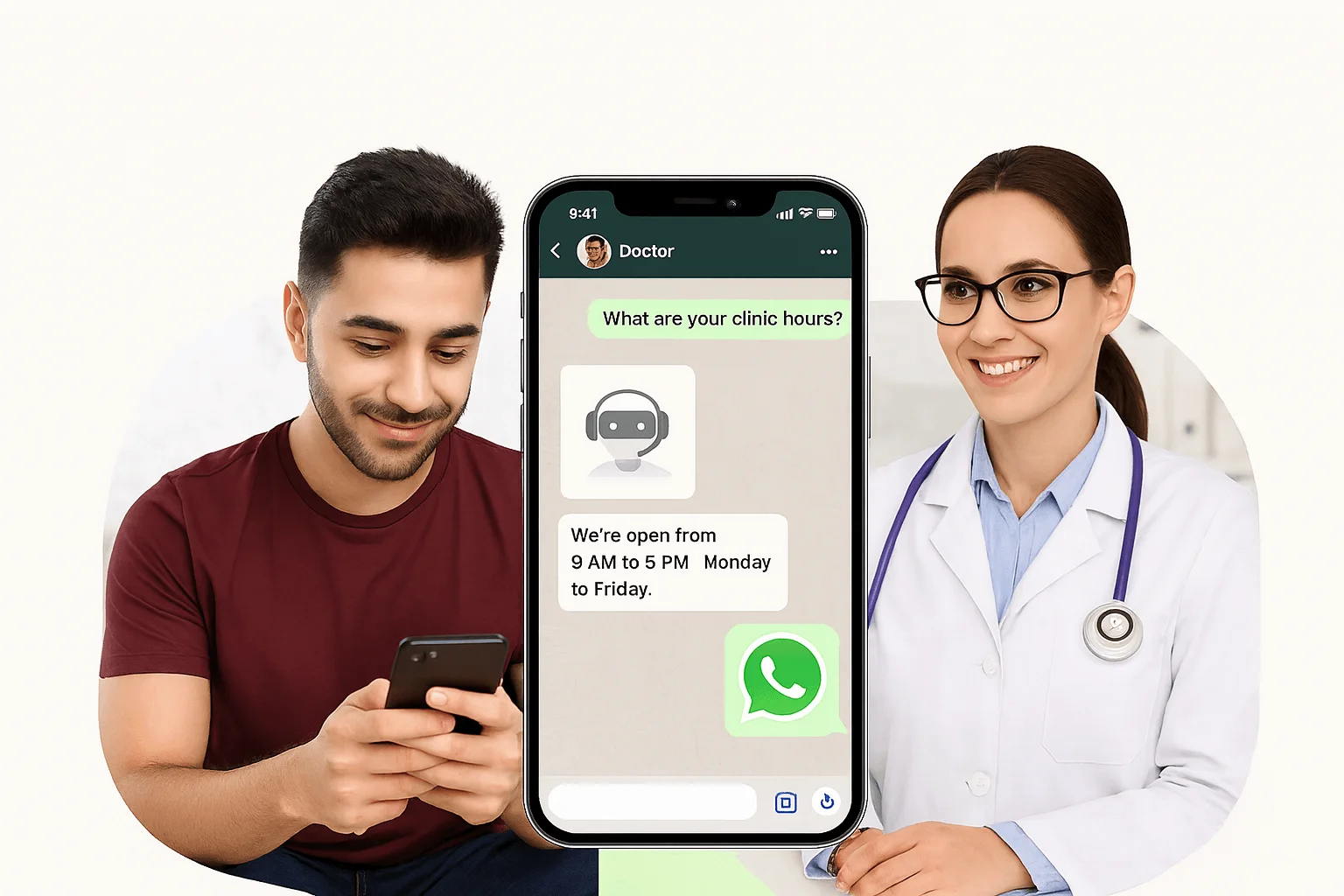
These WhatsApp chatbots for healthcare can answer common patient questions instantly, lowering response times and easing staff workloads.
Prescription & Follow-Up Notifications
Automated notifications for prescription refills and post-treatment follow-ups help patients stay on track with their care plans.
Round-the-Clock AI Assistance
With an AI WhatsApp agent for healthcare, hospitals can offer round-the-clock assistance. Patients can receive immediate responses even outside of regular working hours.
Secure and HIPAA-Compliant Communication
WhatsApp chatbots ensure that all patient interactions are encrypted and HIPAA-compliant, maintaining confidentiality and security.
Lead Generation & Engagement
Hospitals can capture potential patient leads, engage them with personalized messaging, and automate follow-up communications to enhance patient acquisition and retention.
Benefits of WhatsApp Chatbots in Healthcare
- Operational Efficiency: Automating routine tasks allows staff to focus on critical patient care.
- Patient Satisfaction: Faster responses and easier appointment booking lead to a better patient experience.
- Cost Efficiency: Reduces administrative overheads by minimizing manual communication tasks.
- Data Management: Centralized CRM integration ensures accurate record-keeping and better coordination.
- Follow-Up & Retention: Personalized reminders help maintain patient engagement and treatment adherence.
Also Read: How to Build a WhatsApp Chatbot (No Code)
Use Cases by Healthcare Setting
- Clinics & Small Practices: Automate scheduling, answer queries, and send follow-up notifications.
- Large Hospitals & Specialty Centers: Manage high volumes of inquiries and appointments across multiple departments.
- Diagnostic Labs & Pharmacies: Share lab results, prescription reminders, and appointment updates efficiently.
How to Choose the Best WhatsApp Chatbot for Hospitals?
When selecting the WhatsApp chatbot for healthcare, consider:
- AI Capabilities: Ensure accurate handling of diverse patient queries.
- Ease of Integration: Should work with existing hospital systems such as CRMs and scheduling software.
- Compliance: Must be HIPAA-compliant for secure communication.
- User-Friendliness: Easy setup and operation for hospital staff without technical expertise.
For hospitals seeking a comprehensive solution, WhatZCRM offers a reliable WhatsApp AI chatbot hospital experience that integrates seamlessly into healthcare workflows.
Final Thoughts
Implementing WhatsApp chatbots for hospitals is transforming patient communication, improving operational efficiency, and reducing costs. By automating appointments, inquiries, and follow-ups, hospitals can focus on delivering better care while enhancing patient engagement.
Explore WhatZCRM to leverage a powerful AI-powered WhatsApp healthcare agent solution and take hospital patient engagement to the next level.