

WhatsApp has become one of the most influential digital channels for businesses worldwide. What started as a simple messaging app is now a critical platform for customer acquisition, sales, support, and retention.
By 2026, WhatsApp Business API will no longer be just about sending messages at scale. It is about building intelligent, data-driven, and outcome-focused conversations that align with how customers expect to interact with brands.
This article explores the most important WhatsApp API trends in 2026 and how they are shaping the future of brand communication.
Why WhatsApp Business API Is Evolving in 2026
Customer expectations have changed dramatically. People want fast responses, personalized conversations, and continuity across every interaction. They no longer tolerate delays, repeated questions, or disconnected communication channels.
At the same time, businesses are handling higher chat volumes than ever before. Managing these conversations manually or with basic tools has become inefficient and risky.
As a result, WhatsApp API innovation in 2026 focuses on:
- Intelligence over volume
- Automation over manual effort
- Insights into vanity metrics
Also Read: 7 WhatsApp Marketing Trends That Businesses Can’t Ignore in 2026
What are WhatsApp API trends in 2026?
The top WhatsApp API trends in 2026 include AI-powered conversation intelligence, full-funnel engagement, WhatsApp funnel analytics, Click-to-WhatsApp ads attribution, AI-based lead scoring, and workflow automation.
How is WhatsApp Business API? These trends focus on turning WhatsApp conversations into measurable sales, marketing, and customer experience outcomes.
Trend 1: WhatsApp Becomes a Full-Funnel Engagement Platform
In 2026, WhatsApp is used across the entire customer journey rather than as a single-purpose channel.
Brands are increasingly using WhatsApp to:
- Capture leads from ads and websites
- Qualify prospects through conversations
- Move leads through sales stages
- Handle post-purchase support and retention
This full-funnel approach reduces friction and shortens sales cycles, especially for high-intent customers who prefer messaging over forms or calls.
Trend 2: AI Conversation Intelligence Becomes Essential
As WhatsApp volumes grow, manually monitoring conversations is no longer scalable. Businesses are now adopting AI conversation intelligence to understand what is happening inside chats.
Key capabilities include:
- Automatic conversation summaries
- Intent detection and classification
- Identification of high-value or at-risk conversations
- Alerts for stalled or sensitive interactions
Instead of reacting after issues occur, teams can proactively manage conversations in real time.
Trend 3: Sales Pipelines Are Triggered by Conversations
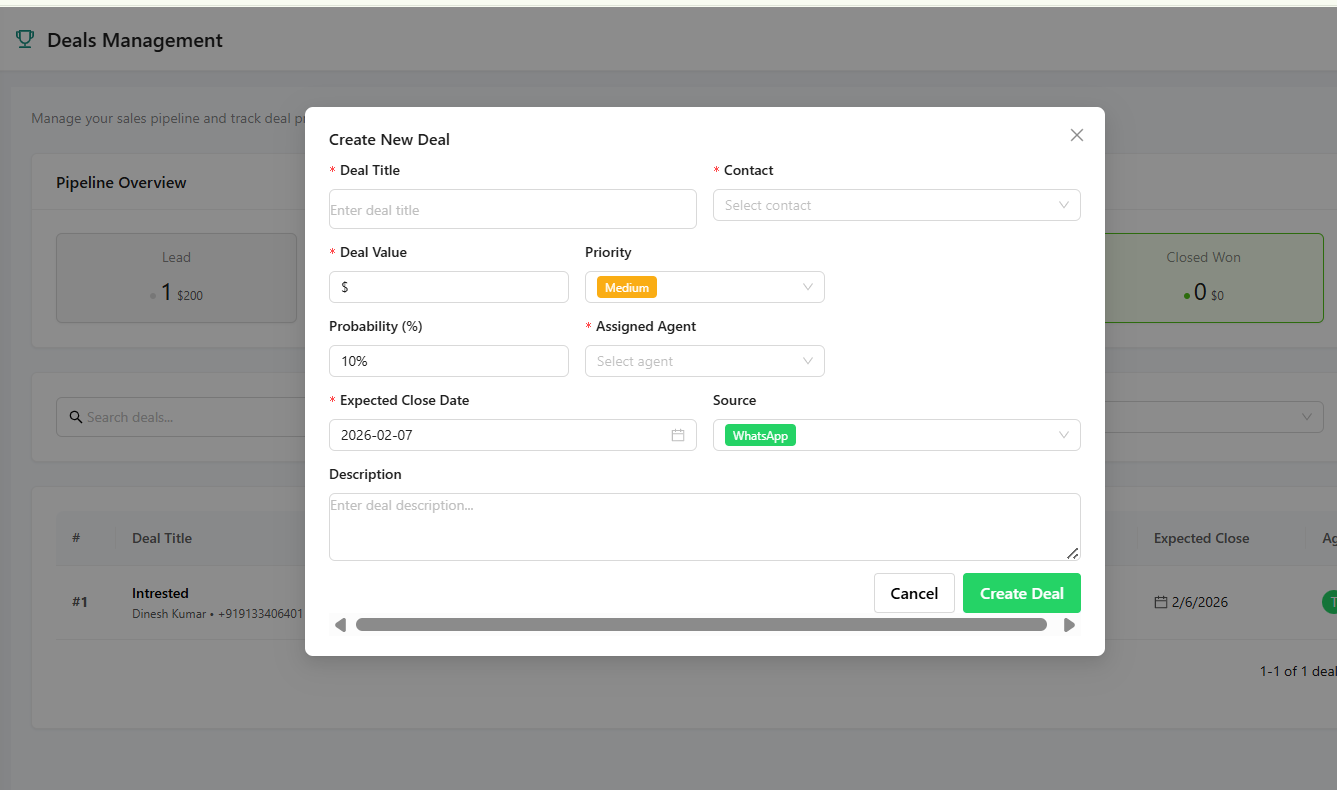
Traditional CRMs rely on manual updates and assumptions. In 2026, sales pipelines increasingly move based on actual conversation behavior.
Examples include:
- Moving a lead to “qualified” after pricing discussions
- Advancing deals when demos are requested
- Flagging opportunities when payment intent appears
This trend improves accuracy, reduces administrative work, and ensures sales teams focus on the right opportunities.
Trend 4: WhatsApp Funnel Analytics Replaces Basic Metrics
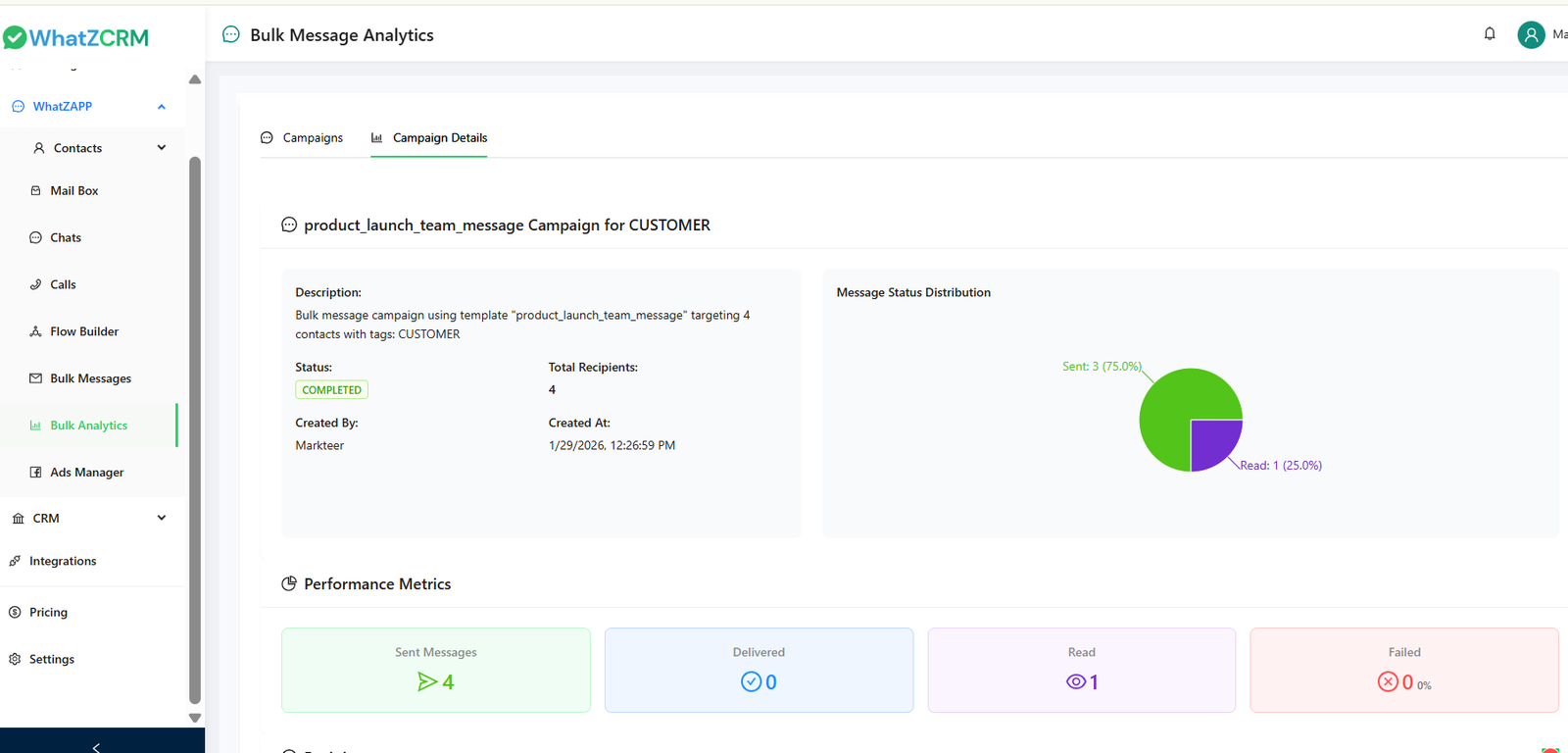
Message delivery and read rates provide limited insight. Brands now want to see how conversations contribute to real business outcomes.
WhatsApp funnel analytics focuses on:
- Entry points into WhatsApp conversations
- Drop-off stages within chats
- Conversion points and time to close
- Revenue impact of WhatsApp interactions
These insights help businesses optimize messaging flows and identify where improvements are needed.
Trend 5: Click-to-WhatsApp Ads Demand Clear Attribution
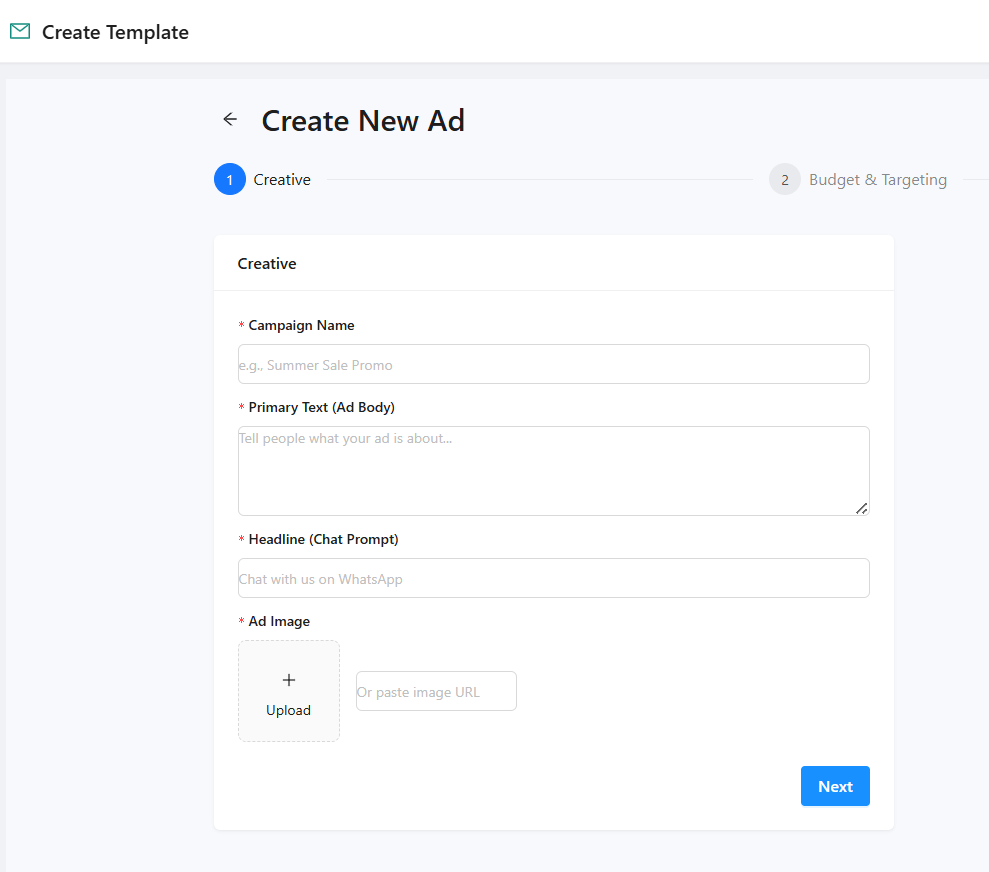
Click-to-WhatsApp ads have become a dominant lead generation channel. However, many businesses still struggle to connect ad spend with actual conversions.
In 2026, attribution is a major focus:
- Identifying which ads started each conversation
- Measuring conversion quality, not just volume
- Optimizing campaigns based on real outcomes
This trend bridges the gap between marketing performance and conversational engagement.
Trend 6: AI Lead Scoring Based on Chat Behavior
Sales teams no longer rely on guesswork or static rules to prioritize leads. AI lead scoring in 2026 analyzes real conversation signals such as:
- Response speed
- Message depth and intent
- Engagement with CTAs
- Follow-up behavior
This allows teams to prioritize leads dynamically and improve close rates without increasing workload.
Trend 7: Workflow Automation Becomes Non-Negotiable
Manual WhatsApp handling breaks down as businesses scale. In 2026, workflow WhatsApp automation is considered essential rather than optional.
Common automated workflows include:
- Lead assignment based on rules or intent
- Follow-ups for inactive conversations
- Appointment confirmations and reminders
- Escalation to human agents when required
Automation ensures consistency, speed, and scalability across teams.
Trend 8: Stronger Privacy, Access Control, and Governance
As WhatsApp becomes a core business system, governance and compliance take priority.
Businesses now look for:
- Role-based access to conversations
- Restrictions on sensitive data visibility
- Clear ownership and audit trails
This trend is particularly important for regulated industries such as healthcare, education, finance, and real estate.
Also Read: What Is WhatsApp CRM and How It Works for Businesses
Who Should Pay Attention to These WhatsApp API Trends?
These trends are especially relevant for:
- Businesses generating leads through WhatsApp ads
- Sales teams managing high-intent conversations
- Support teams handling large chat volume
- Growing companies looking to scale without increasing headcount
If WhatsApp is a key customer touchpoint, adapting to these changes is essential.
Final Thoughts
WhatsApp API trends in 2026 are not about sending more messages. They are about creating smarter, more efficient, and more measurable conversations.
Brands that embrace AI intelligence, automation, and analytics will gain a clear advantage in customer experience and revenue growth. Those who rely on manual or disconnected systems will struggle to keep up.
The future of WhatsApp for businesses is conversational, intelligent, and outcome-driven, and that future has already begun.